


From Starlink Mini to 5G antennas, what are the best ways to stay connected at sea in 2026 and how do you get high-speed Wi-Fi, even in mid-ocean?
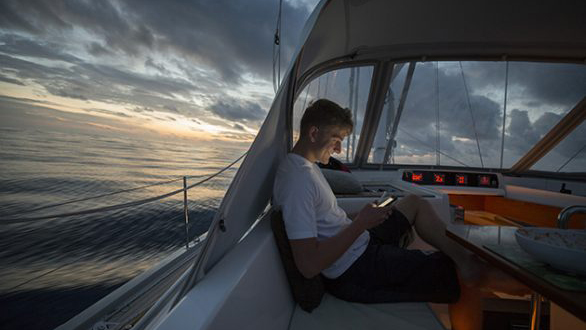
For many sailors, the dream of getting away from it all no longer includes leaving the internet behind. Whether it’s for downloading GRIB files, remote working, or keeping the kids entertained with Netflix, the landscape of maritime connectivity has shifted dramatically over the last five years.
Here is a streamlined guide to the best internet options for your boat in 2026.
The game changer: LEO satellites (Starlink)
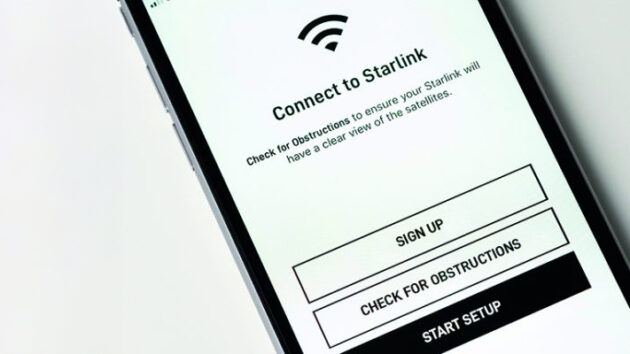
The biggest shift in recent years is the total dominance of Low Earth Orbit (LEO) satellites. Unlike the sluggish, expensive geostationary satellites of the past, systems like Starlink now offer land-like speeds (100Mbps+) even in the middle of the Atlantic.
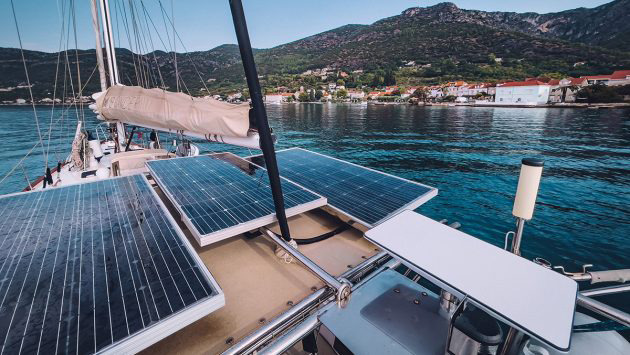
Starlink Mini: The gold standard for 2026. It is small, power-efficient, and can be run directly off 12V/24V DC power. It’s easily mounted on a pushpit or coachroof.
Service plans: Most cruisers opt for the regional roam or global roam plans, which allow you to pause service when the boat is laid up.
The catch: While hardware prices have plummeted (often under £400), monthly fees remain a significant line item in a cruising budget, and SpaceX frequently updates their Terms of Service regarding ocean use vs coastal use.
The reliable workhorse: 5G & 4G LTE
For coastal cruisers, cellular remains the most cost-effective solution. In 2026, 5G coverage extends significantly further offshore than older 4G bands.
High-Gain Antennas: To get the most out of cellular, don’t rely on your phone. A dedicated maritime router (like those from Peplink or Glomex) paired with a high-gain antenna at the masthead can pull in a signal up to 20 miles offshore.
Local SIMs vs roaming: In the EU, roaming is seamless, but further afield, picking up a local data-only SIM remains the cheapest way to feed your boat’s Wi-Fi network.
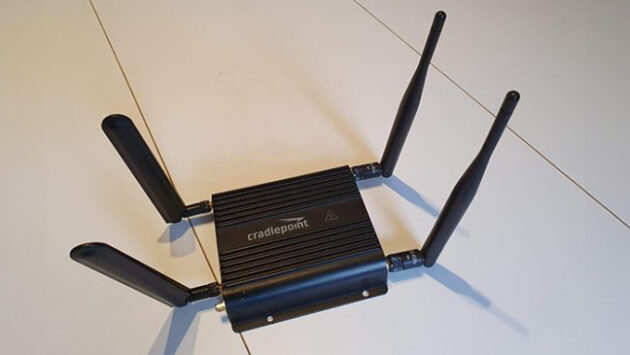
The backup: Marina Wi-Fi
Once the primary way to get online, marina Wi-Fi is now often the third choice. However, it remains useful for heavy data tasks like system updates or cloud backups. A Wi-Fi booster (like a Rogue Wave) is still a worthy investment to reach those patchy signals at the end of a long pontoon.

The crucial layer: Using a VPN at sea
As we become more connected, digital security and regional access become paramount. If you are sailing outside your home waters, a Virtual Private Network (VPN) is no longer an optional luxury—it’s an essential tool.
Digital Security & Privacy
When you connect to a marina’s public Wi-Fi or even a local cellular network in a foreign country, your data can be vulnerable. A VPN creates an encrypted ‘tunnel’ for your data, protecting your passwords and banking details from potential middle man attacks. It also prevents local ISPs from tracking your browsing habits or throttling specific types of traffic.
Staying at home abroad
One of the most practical benefits for sailors is the ability to change your virtual location. A VPN allows your device to appear as if it is still in your home country.
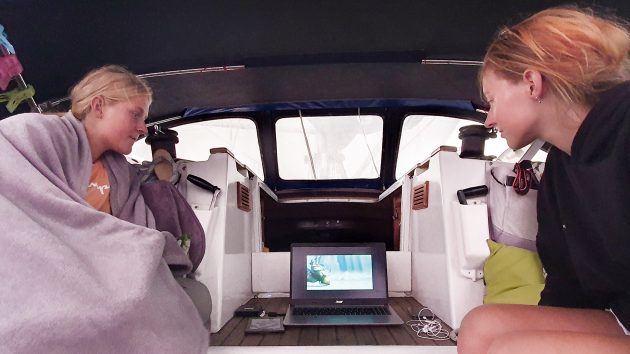
While we can’t suggest circumventing licensing, many cruisers find this invaluable for maintaining access to services they pay for back home. For UK residents, this means you can stay up to date with your favourite series or live sports on platforms like BBC iPlayer or TNT Sports, even while anchored in the Caribbean.
Top VPN options for sailors in 2026:
NordVPN: Often cited as the best all-rounder for speed and security. It has a vast server network, which is crucial for maintaining high speeds over satellite links.
ExpressVPN: Renowned for its ease of use—perfect if you want a “set and forget” solution on your onboard router.
Surfshark: A great budget-friendly option that allows unlimited device connections—ideal for a boat full of crew and gadgets.
So which setup do you need?
The Weekend Coastal Cruiser: A high-quality 5G router and a masthead antenna.
The Blue Water Voyager: Starlink Mini as primary, with a 5G backup for coastal arrivals and a VPN for security and home-country content.
The Budget Nomad: A local SIM in a 4G dongle and a good Wi-Fi booster for the marina.
Enjoyed reading this?
A subscription to Yachting Monthly magazine costs around 40% less than the cover price, so you can save money compared to buying single issues.
Print and digital editions are available through Magazines Direct – where you can also find the latest deals.
YM is packed with information to help you get the most from your time on the water.
-
-
- Take your seamanship to the next level with tips, advice and skills from our experts
- Impartial in-depth reviews of the latest yachts and equipment
- Cruising guides to help you reach those dream destinations
-
Follow us on Facebook, Twitter and Instagram.
Note: We may earn a commission when you buy through links on our site, at no extra cost to you. This doesn’t affect our editorial independence.