




Keeping your boat safe in the Caribbean during hurricane season is possible, but it needs careful planning, says James Kenning
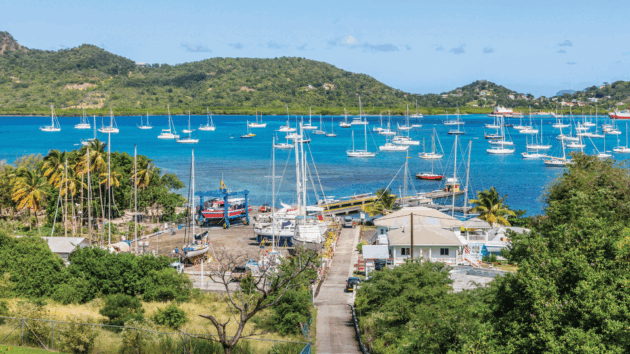
Each year, as the trade winds soften and the skies darken with the threat of tropical storms, hundreds of sailors haul their boats ashore across the Caribbean.
For those not cruising through hurricane season, securing your yacht on land isn’t just prudent – it can be the difference between sailing another season or starting from scratch. However, simply hauling your boat out isn’t enough; the hot, humid, storm-prone months require careful planning, considered decisions and attention to detail.
Here’s what you need to know to prepare your boat for safe, secure storage ashore in the tropics.

Once you’ve crossed the Atlantic, you have to decide what you’re going to do when the Caribbean season ends
Where to go
Understanding your insurance requirements
Before anything, it’s essential to consult your insurance policy. Many marine insurers have strict stipulations for hurricane coverage, often requiring that vessels be stored ashore within designated safe zones. Some policies will not cover damage from hurricanes unless the yacht is hauled out and tied down.
Beware, though: many insurers may stipulate a hefty deductible on any claim against a named storm. Underwriters may demand the submission of a formal storm plan, detailing exactly where and how the boat will be laid up; failing to comply with such terms can void your coverage entirely, so it’s wise to get written confirmation of what’s expected.
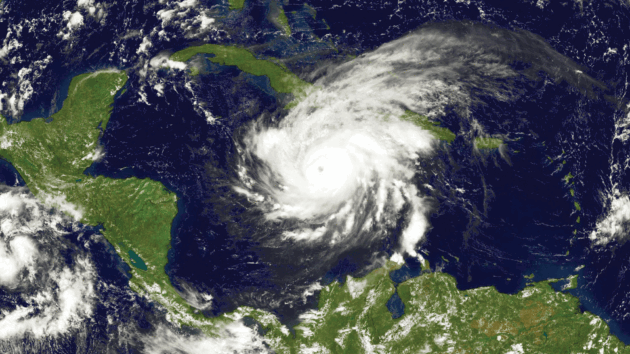
Some areas are more prone to hurricanes, but their tracks aren’t predictable. Photo: Zuma Press / Alamy Stock Photo
Make sure you understand your insurer’s definition of a ‘safe zone,’ and whether your chosen yard qualifies. Some insurers will only cover vessels stored below a certain latitude or in yards with proper hard standing, rather than soft ground. Inquire whether you need photographic proof of your lay-up procedures or documentation of the boat’s condition pre-storage. These steps may seem tedious, but they are often critical in the event of a claim.
Selecting the Best Caribbean Storage Locations
Popular haul-out locations include Grenada’s Clarkes Court and Spice Island Marine, Trinidad’s Peake Yacht Services and Power Boats, and options further north in Antigua, St. Lucia and Puerto Rico. The southern Caribbean offers better odds of avoiding major storms and often comes with lower insurance premiums, though no location is entirely risk-free.
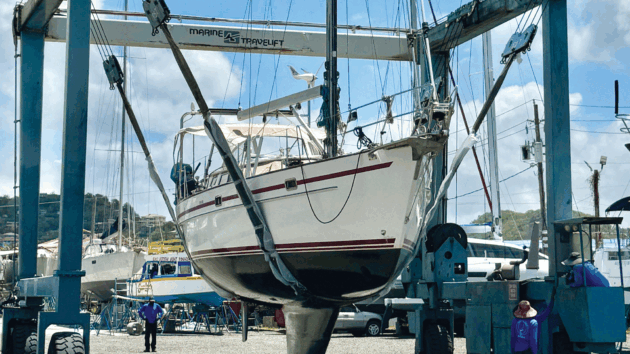
Yards equipped with proper lifting gear and a good hardstanding are best
Grenada and Trinidad are among the most popular options thanks to their southerly location, solid reputations and abundant yacht services. Both countries also have good flight connections and active cruiser communities, making logistics easier for owners. That said, yards in the US Virgin Islands, St. Martin and Antigua may be preferable for boats based in the northern Caribbean.
When choosing a yard, consider haul-out scheduling, language barriers, storage options (pits vs. stands), customs procedures for long-term stays, and yard rules regarding work on your own boat. If you are likely to stay on the boat for any length of time while on the hard, consider ease of access to shops, restaurants, bars, and the quality of shower, toilet, and laundry facilities.
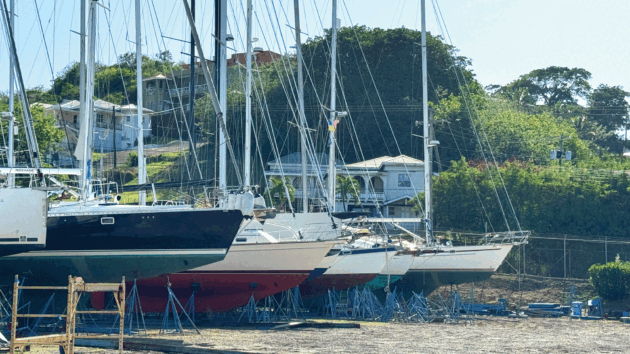
Find out how and where your boat will be stored before choosing a yard
Choosing the right yard
Look for yards that have experience dealing with hurricanes, and strong reputations among cruisers. Facilities with concrete (or embedded) tie-down points, trained staff, and dedicated storage protocols tend to fare better in storms. Good yards will also keep adequate spacing between boats to avoid collisions, especially in the event of stand failure.
Some may insist on chain-linking jackstands or using additional ratchet straps to tie down boats to the ground. Drainage and flood prevention infrastructure are also vital.Costs for storing a 45-foot monohull on jackstands typically range from £700 to £1,200 per month. Expect additional charges for mast un-stepping and storage, cradle rental, pressure washing, electrical shore power, and guardiennage (professional caretaking of boats).
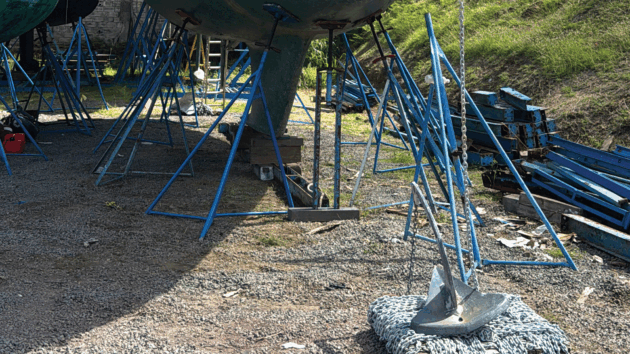
Jackstands are the most common way of shoring up a boat. Photo: Graham Snook / Yachting Monthly
Some yards may offer bundled lay-up packages that include shrink-wrapping, covering or guardiennage, which can be cost-effective if you’re away for an extended period.
Which storage method
Once insurance is sorted, the next consideration is where and how the yacht will be stored. Across the Caribbean, there are a few common methods: jackstands, concrete pits or custom cradles.
Jackstands, the individual metal stands that are turned up to the right height to support the hull, are by far the most prevalent, particularly for monohulls, and if properly chained together and supported, they offer a stable solution.
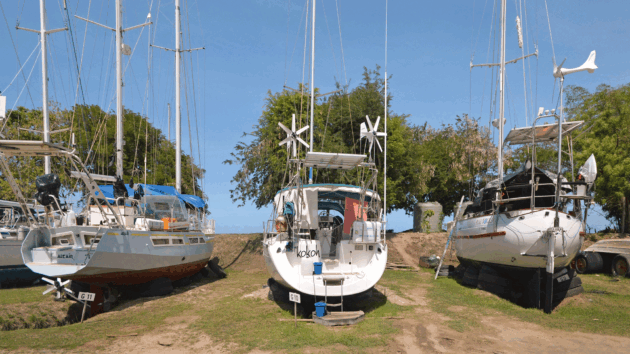
Keel pits allow boats to sit lower to the ground, but they still need lashing down. Photo: Graham Snook / Yachting Monthly
Concrete pits, into which a boat’s keel is lowered, provide excellent wind resistance by lowering the boat’s centre of gravity, though they limit access to the hull and keel for maintenance. Custom cradles offer superb support but are less widely available and are more expensive.
Securing the boat
Reduce windage, protect deck gear
Once hauled, the boat must be stripped of anything that can catch the wind. Sails, especially furling ones, should be removed and stowed below. Even tightly furled sails can unravel in high winds, risking damage not only to the sail itself but to the rig, or even the whole boat. Canvas, such as biminis and sprayhoods, should come off. Wind scoops, covers and awnings should be taken down, as they are easily shredded or torn free.
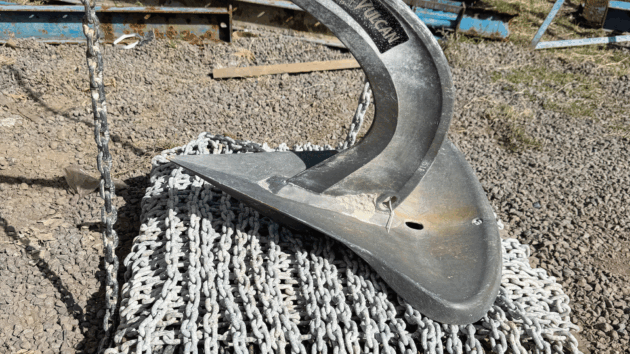
Ground the anchor and chain to take the strain off the hull. Photo: Graham Snook / Yachting Monthly
Lines should be tied off tightly, and halyards run to the chain plates to prevent chafe and halyard slap on the mast. Any running rigging not in use should be stowed or coiled neatly in the cabin. In high-risk areas or when mandated by the yard or insurer, it may be advisable to unstep the mast entirely. While this adds to haul-out cost and complexity, it significantly reduces windage and minimises rig-related failures during high winds.
It’s also advisable to lower the anchor and chain onto a pallet to reduce stress on the bow and windlass while the yacht is ashore. Not only does this lighten the bow, but it also allows for better deck drainage and avoids corrosion where metal rests against fibreglass. Some owners also choose to remove deck-mounted solar panels or radar domes to store them safely below.
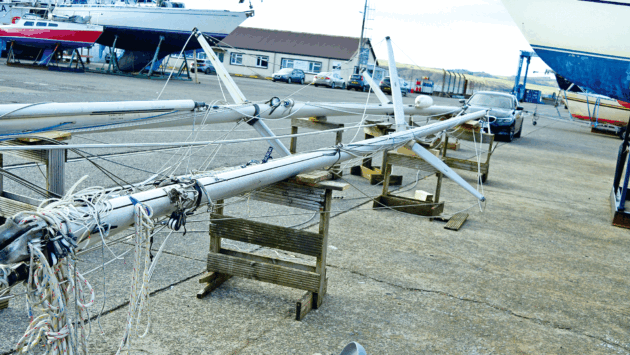
Unstepping the mast adds cost but may be required…
Controlling humidity and preventing mould
Inside the yacht, the battle shifts to controlling humidity and preventing mould. Caribbean summers are relentlessly damp, and mould can take hold within
days. Upholstery, wood finishes, and electronics are especially vulnerable to moisture damage, so a multi-pronged approach is recommended.
Good ventilation is essential. Passive solar vents and protected dorades can help keep air moving without letting rain in. Moisture-absorbing products like silica gel or desiccant tubs are useful though they require periodic replacement. Hanging moisture bags in enclosed lockers, heads and bilges can also help reduce mould hotspots.
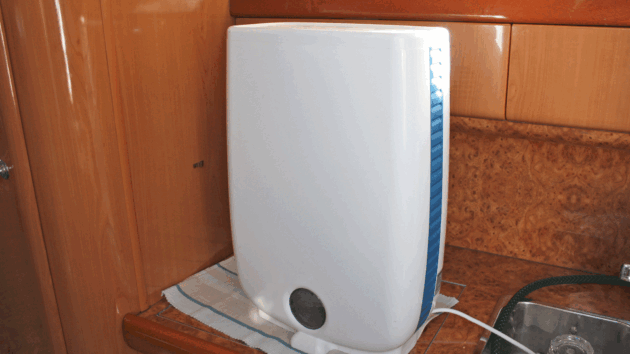
A dehumidifier will help. Make sure it drains overboard, but don’t leave gaps for pests to get in. Photo: Graham Snook / Yachting Monthly
If shore power is available, consider leaving a marine dehumidifier running on a timer. Drain collected water into the sink or, to reduce risk of insects entering through the seacock, drill a hole in a softwood bung secured in the depth transducer hole to feed the drainage hose through. Set internal doors and locker lids open to ensure cross-ventilation, and prop open fridge and freezer doors.
A wipe-down of heads, bilges and cabin soles with vinegar or tea tree oil helps deter bacterial growth and mildew.
Removing cushions, mattresses, and curtains and storing them in vacuum bags below decks can significantly reduce surface mould, especially if they are raised on slats or hung vertically. Alternatively, if you have access to dry indoor storage, consider removing soft furnishings altogether.
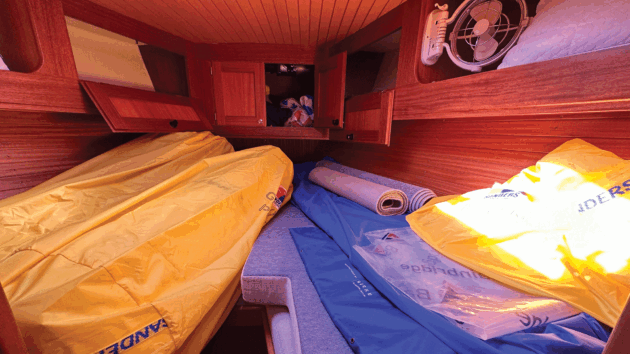
Prevent mould by opening all lockers, lifting cushions and cleaning salty sails before stowing below. Photo: Graham Snook / Yachting Monthly
Preventing insect infestations
With heat and humidity come pests. The Caribbean is home to a tenacious array of insects, from cockroaches to ants, and in some locations even rats and snakes can pose a problem. To keep pests at bay, all food stores must be removed and the galley thoroughly cleaned. Vents and through-hulls should be screened or sealed, and dry areas dusted with boric acid or insect repellent.
Locker corners and under-berth spaces are common hideouts and deserve special attention. If rodents have been an issue in the past, it may be necessary to go further, using steel wool in vent holes and ensuring that all dock lines, boarding ladders or fenders are kept clear of the ground.
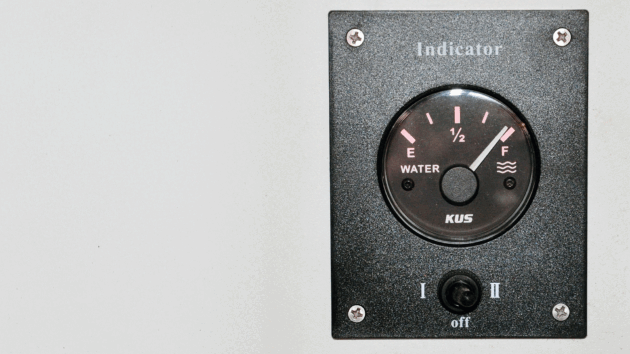
Either empty and dry the tank, or treat with bleach and top off
Traps – both insect and rodent – should be placed strategically around the cabin. Check that your guardian will inspect them regularly, as unattended traps can become sources of odour or infestation themselves if not cleared.
Shutting down the boat
System shutdown
The next task is to prepare the yacht’s systems for an extended period of inactivity. Current wisdom is to run fuel supplies as low as possible before haulout as modern diesel has a shelf life of only months; adding a marine-grade biocide to prevent microbial growth will help stabilise any remaining fuel, while installing a desiccant filter in the fuel vent may also help prevent condensation in the tank and consequent risk of diesel bug.
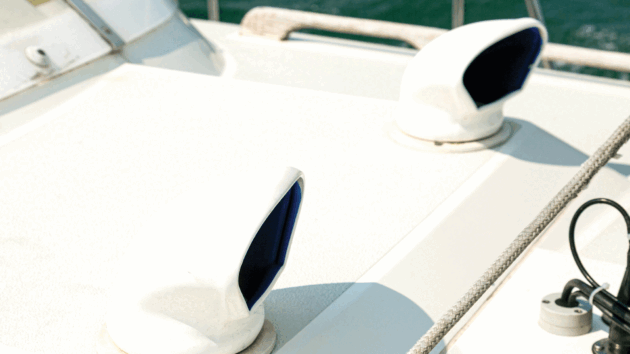
Keep vents open, but make sure pests can’t get in through them. Photo: David Harding/SailingScenes.com
For water tanks, options depend on your return schedule. If returning soon, they can be drained and dried thoroughly. For longer-term storage, consider dosing with a mild bleach solution and sealing the tanks. Make sure any freshwater pumps are turned off.
Toilets should be flushed with freshwater and cleaned thoroughly, including hoses and holding tanks. Adding a biodegradable tank treatment can reduce odours. All seacocks, except those draining the cockpit, should be closed. The electrical system deserves special care. Batteries should be fully charged
and ideally left on a smart charger or solar controller if shore power or solar is available.
If no power is accessible, disconnect batteries to prevent drain. Document voltage levels and check terminal cleanliness. If you use lithium batteries, verify that they’re stored at recommended charge levels.
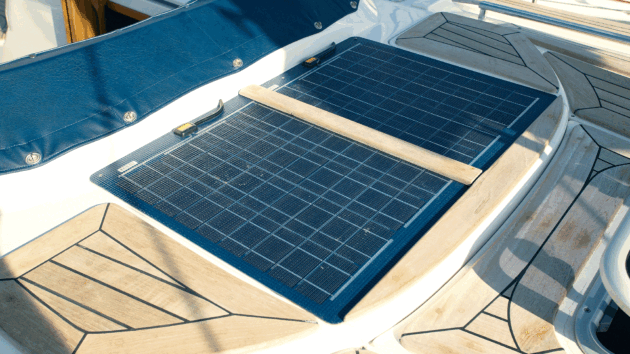
Either disconnect batteries, or keep them topped up via solar or shore power. Photo: Graham Snook / Yachting Monthly
Fridges and freezers must be emptied, cleaned with a bicarbonate or vinegar solution, and left ajar to prevent mildew. Disconnect any 12V fans or electronics that might be accidentally left running.
Before departure, ensure the bilge is dry and clean, and if you have automatic pumps, test their operation and leave them powered if connected to solar. A worthwhile upgrade if the boat yard has decent cellular service is to install battery and bilge sensors that can text alerts if voltage drops or water ingress are detected.
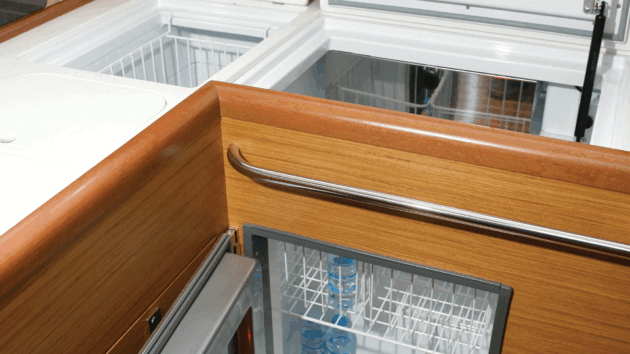
Clean, disinfect and leave fridges and freezers off and open. Photo: Graham Snook / Yachting Monthly
Keeping records and documenting lay-up
A well-documented lay-up speeds up recommissioning and cuts cost. Before flying home, take photographs of major systems as a quick reference for the next season. Maintain a log of maintenance tasks completed, including filter changes, fluid levels and service dates, and keep a checklist of equipment and where it is stowed. Creating a laminated quick-start checklist will simplify recommissioning and prove useful if you contract someone to pre-prepare your boat.
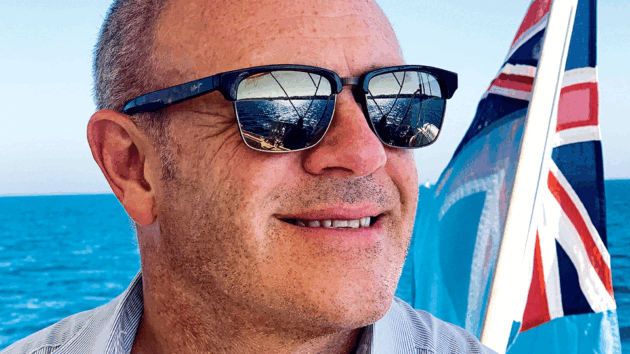
James Kenning is a former RAF officer who is cruising the Windward and Leeward Islands in his Regina 43 deck saloon.
Store digital versions of all key documents (insurance, registration, service logs, yard agreements) online so they are accessible wherever you may be. If you leave any tools or maintenance gear aboard, ensure they are inventoried and secured.
Article continues below…

Hurricane Ivan’s aftermath: The cost of a Caribbean storm
[STORY UPDATED 11/12/2025] Correction: Yachting Monthly would like to apologise to Spice Island Marine for the original version of this…
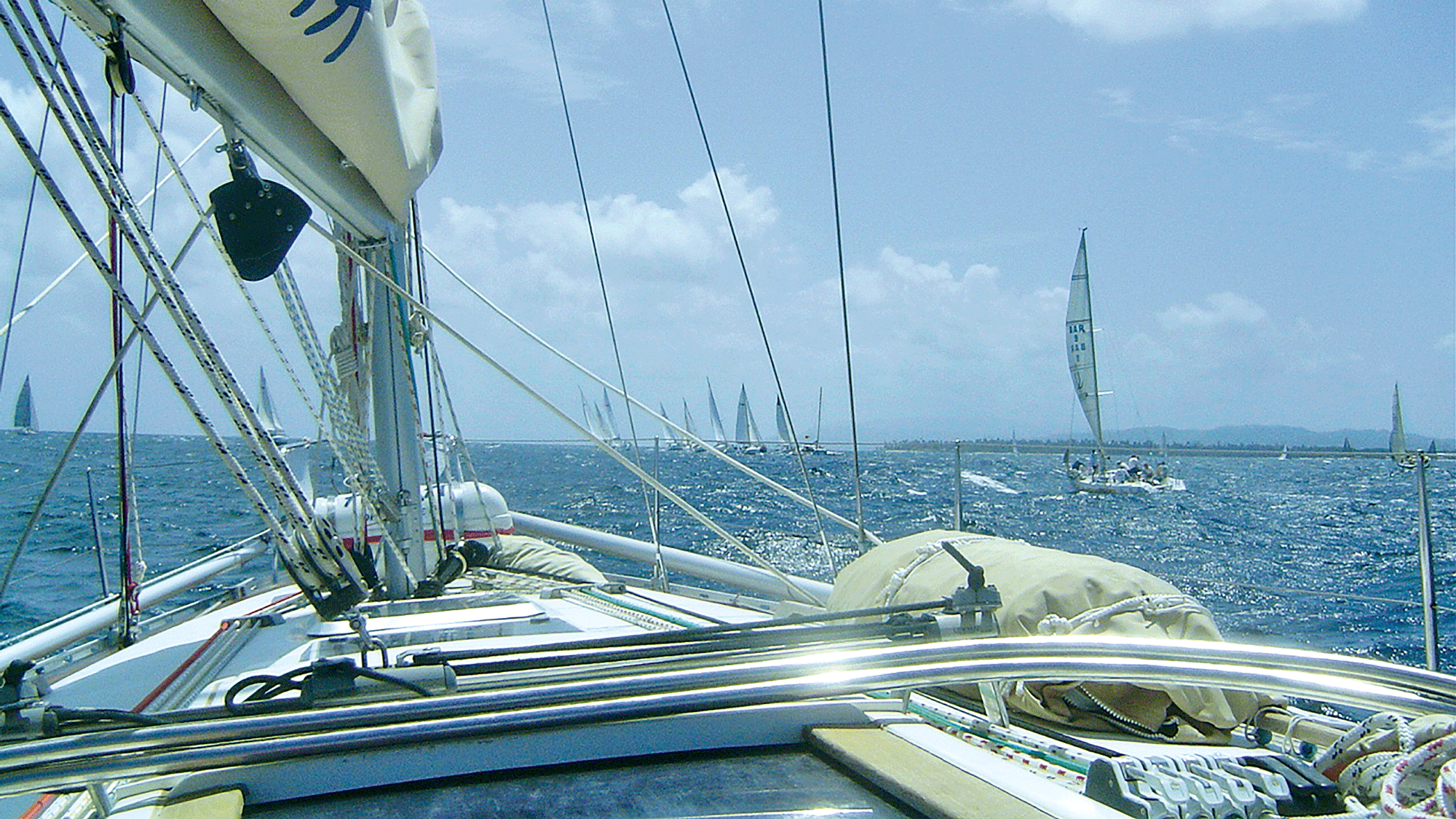
How a Hurricane-Wrecked Dufour Classic 41 Won Line Honours in Her First Race During Tobago Sailing Week
Our boat Alexa – a Dufour Classic 41 – had been wrecked in the September 2004 Category Five Hurricane Ivan…
Leaving the boat
Enhancing security and considering guardiennage
Security can be a concern in some regions. While many yards have on-site patrols, CCTV, and gated access, it pays to ask around; fellow cruisers often provide the most accurate reviews of local practices. Choose yards with visible deterrents like floodlighting, guard dogs, or alarmed fencing.
Consider hiring a guardiennage service, where a trusted local person checks on your yacht weekly or biweekly and provides updates, photos and minor maintenance. These services typically cost between $100 and $250 per month and may include tasks such as topping up batteries, running bilge pumps, airing out cabins, or looking for leaks and mould.
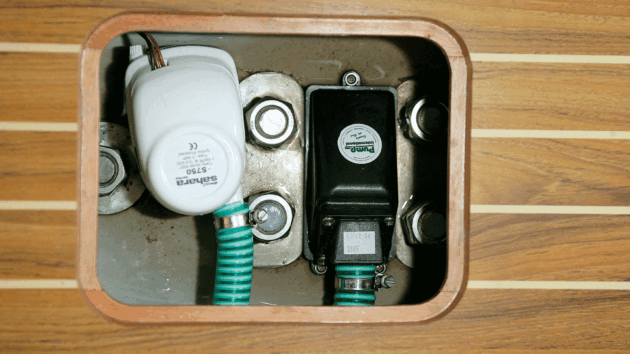
Leave a clean, dry bilge and ensure the pump has a reliable power source. Photo: Graham Snook / Yachting Monthly
Lock everything, including the companionway, cockpit lockers, lazarettes, and electronics lockers. Don’t forget to padlock the outboard engine if left on the rail – visible deterrents can discourage opportunistic theft.
Remove any expensive instruments or portable electronics and store them ashore or below out of sight. Use UV-resistant covers for winches and helm equipment. Full deck or cockpit tonneau covers can guard teak from UV light and bird droppings but be aware of local rules on use of covers in the event of storm forecasts.
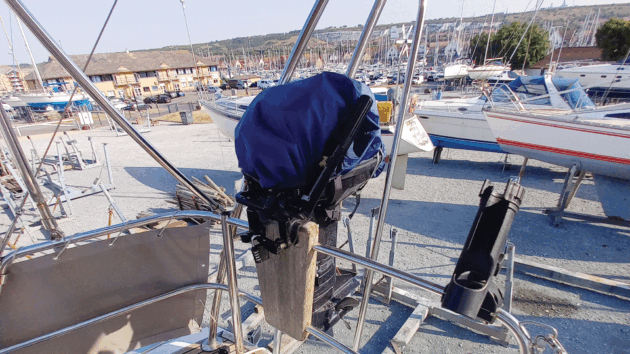
If the outboard is on deck, make sure it is securely locked on
Costs and budgeting for the season
For those budgeting the process, expect total lay-up costs for a six-month period to fall between £5,000 and £10,000 for a 45-foot monohull. This includes haul-out, storage, optional cradle or mast work, guardiennage, and preventative supplies. Additional services such as shrink-wrapping, varnish protection, or rigging inspections can increase this figure, but many find the added cost worthwhile for peace of mind.
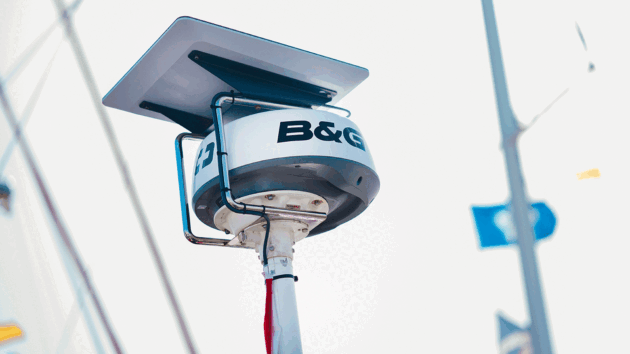
Some sailors opt to remove things like radars and Starlink when leaving the boat for long periods
Prices vary widely between islands and even between yards on the same island, so get quotes in advance and read the fine print carefully. Bundled packages may include power washing, cradle hire or discounts on berthing when refloating.
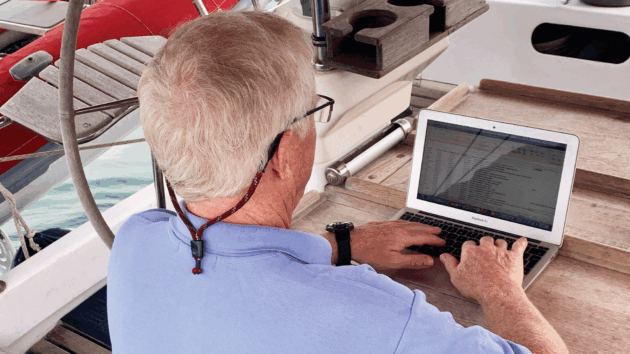
Keep good records of your lay-up procedure and of any maintenance carried out, including photos
Prepare like you won’t be back soon
Even if you intend to return in a few months, it’s wise to prepare your yacht as though it will be a year or more before you see her again. Delays happen, flights get cancelled, and the unexpected can intervene. Preparing thoroughly ensures that your boat won’t suffer neglect-related damage even if your return is postponed.
When the season turns and the trades return, you’ll be grateful to find your vessel dry, clean and ready to sail – rather than facing a long list of repairs. Remember, proper hurricane preparation is about more than storm survival; it’s about preserving the time, money and passion you’ve already invested in your boat.
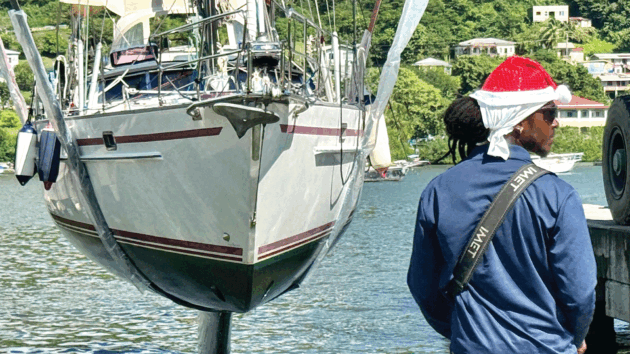
Lift-out services vary so do your research
Enjoyed reading this?
A subscription to Yachting Monthly magazine costs around 40% less than the cover price, so you can save money compared to buying single issues.
Print and digital editions are available through Magazines Direct – where you can also find the latest deals.
YM is packed with information to help you get the most from your time on the water.
-
-
- Take your seamanship to the next level with tips, advice and skills from our experts
- Impartial in-depth reviews of the latest yachts and equipment
- Cruising guides to help you reach those dream destinations
-
Follow us on Facebook, Twitter and Instagram.
Note: We may earn a commission when you buy through links on our site, at no extra cost to you. This doesn’t affect our editorial independence.